

Introduction
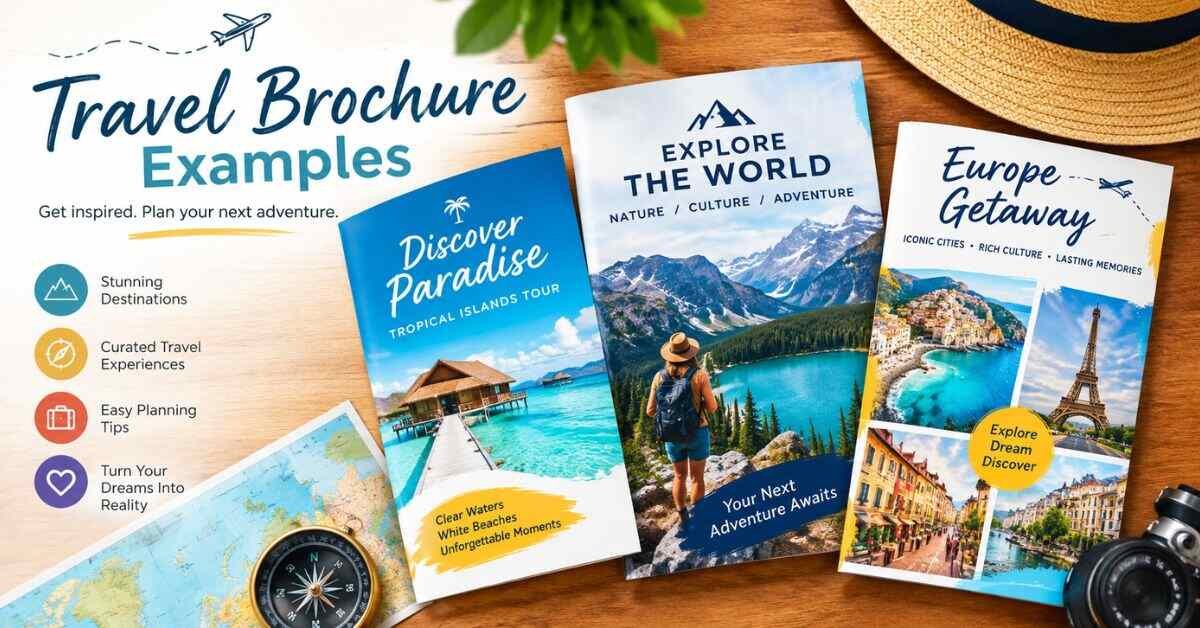
Looking for inspiring travel brochure examples to create an attractive design? A well-designed brochure helps travelers explore destinations, discover exciting activities and plan memorable trips. Whether you are promoting a beach holiday, city tour or mountain adventure, the right layout makes your information easier to understand. Creative travel brochure design ideas can also help travel agencies attract customers and students present impressive projects. From beautiful photographs to clear travel details, every element plays an important role. Explore these travel brochure examples to find inspiration, understand effective layouts and create a brochure that captures attention while encouraging readers to discover new places.
What Is a Travel Brochure and Why Is It Important?
A travel brochure is a printed or digital guide that introduces a destination, tour, or holiday package. It combines photos, short descriptions and essential travel information. Effective travel brochure design helps readers understand what makes a place special. For example, a brochure about Paris might feature famous landmarks, local food and suggested activities. These details support tourism marketing by helping travelers compare destinations and plan their visits.
A well-designed brochure also builds trust. Readers can quickly find prices, travel dates, accommodation details and contact information. Unlike a long travel article, a brochure presents key facts in a compact format. It should answer important questions without overwhelming the reader. Clear headings, attractive images and a logical brochure layout make information easier to follow. Whether shared online or printed, a useful brochure encourages readers to take the next step.
15 Best Travel Brochure Examples for Inspiration
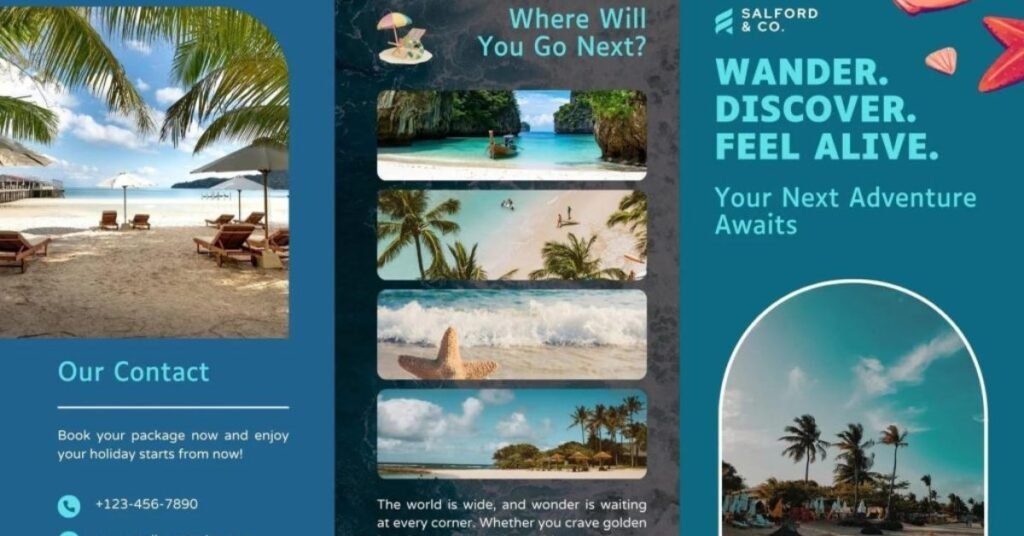
The best travel brochure examples show how images, text, and design can work together. A tropical island brochure may use bright photographs and relaxing colors. A city guide might feature a map, famous buildings and cultural attractions. Meanwhile, a luxury resort brochure often uses elegant typography and spacious layouts. Each design should match its destination and intended audience.
Consider these popular brochure concepts when planning your design. A Paris city guide can highlight museums and cafés. A Maldives holiday brochure can showcase beaches and water villas. A mountain escape brochure can feature hiking trails and scenic views. A family vacation brochure can focus on safe activities and child-friendly hotels. A historical destination brochure can introduce monuments and local traditions. These creative travel brochure examples provide inspiration without requiring complicated layouts. Choose a clear theme, select relevant photographs and organize information around what travelers want to know. The strongest examples make a destination feel exciting while keeping practical details easy to find.
Creative Travel Brochure Examples for Different Destinations
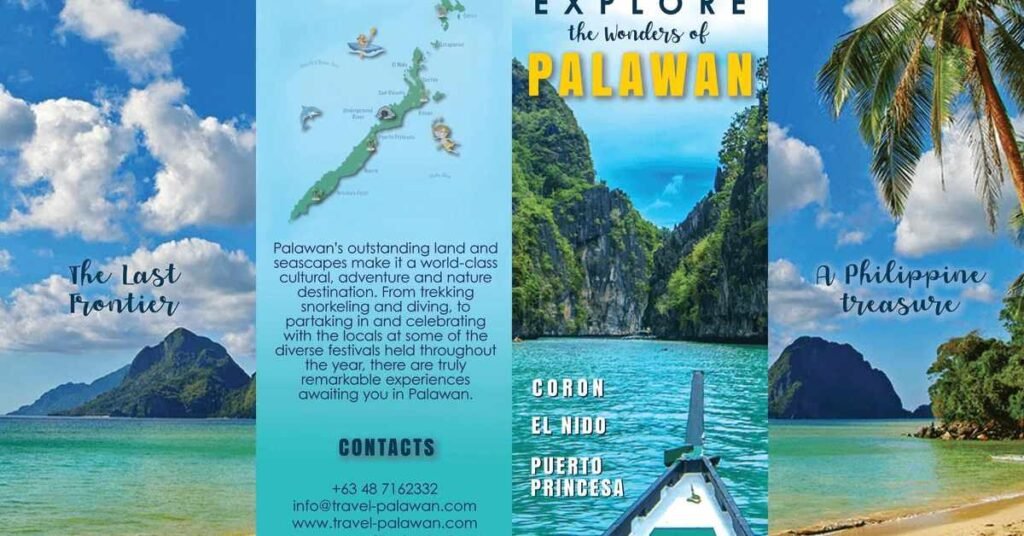
Every destination has a different story to tell. Therefore, travel brochure design ideas should reflect the place, its culture, and the experiences visitors can enjoy. A brochure about Japan might feature cherry blossoms, traditional temples and busy city streets. In contrast, a guide to Switzerland could highlight snowy mountains, peaceful villages and scenic train journeys. Matching images and colors to the destination creates a stronger visual connection.
For cultural trips, include museums, historic sites, local festivals and traditional dishes. For nature holidays, show forests, lakes, wildlife, and outdoor activities. Family destinations benefit from practical details about transport, attractions and suitable accommodation. These vacation brochure examples should also consider the reader’s interests.
A young backpacker may prefer adventure activities, while a couple might look for quiet retreats. Use short descriptions and authentic photographs. Explain what makes each place different instead of relying on general promises. A focused design gives readers a clearer picture of their possible trip.
Tri Fold Travel Brochure Examples and Layout Ideas
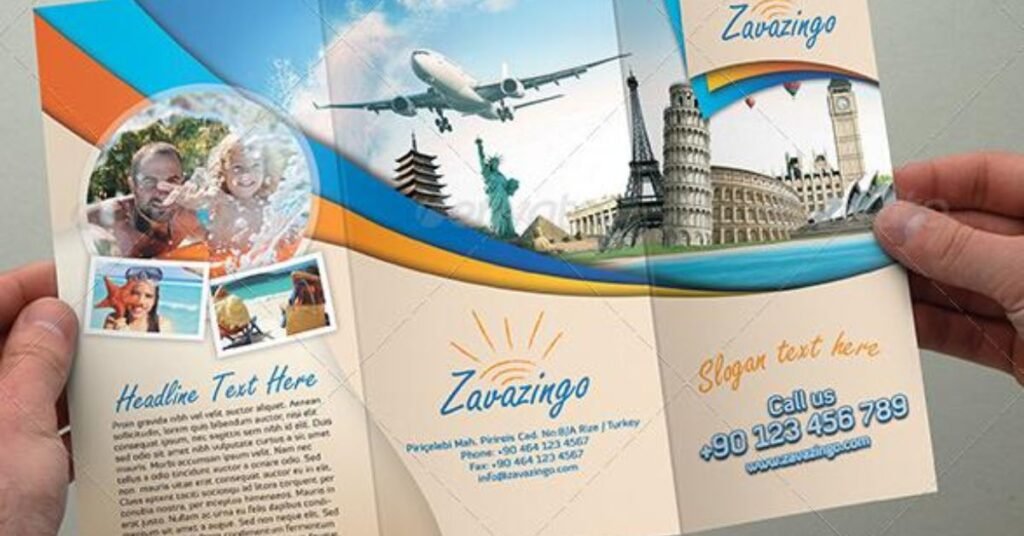
A tri fold brochure divides one sheet into three panels on each side. This format works well for destination guides, sightseeing tours, and holiday packages. Good tri-fold travel brochure examples arrange information in a natural reading order. The front panel usually contains an attractive title and a strong photograph. Inside panels can introduce the destination, main attractions, activities and practical travel details. The final panel often includes contact information or booking instructions.
Thoughtful travel brochure layout ideas help prevent overcrowding. Use headings to separate topics and keep paragraphs short enough to scan quickly. Leave some empty space around text and images. This makes the brochure feel organized rather than cramped. Before printing, check how the panels fold and confirm that text appears in the correct places.
A simple paper mockup can reveal layout problems early. For example, a city tour brochure might place a cover image outside, a suggested itinerary inside and booking details on the back. The result feels practical and professional.
Tourism Brochure Examples for Cities, Countries and Attractions
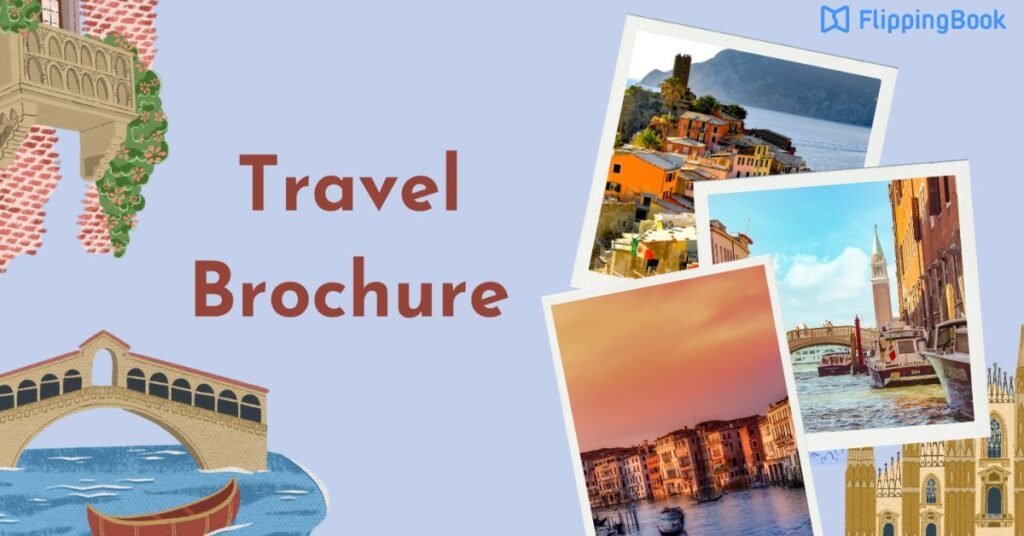
Cities, countries, and individual attractions need different approaches. Strong tourism brochure examples explain what visitors can see and do without trying to include every detail. A country brochure might introduce regional landscapes, cultural traditions, transport options and seasonal events. A city brochure could focus on museums, markets, restaurants and historic streets. A single attraction needs a tighter message, such as opening times, visitor facilities, ticket information and nearby points of interest.
Effective tourism brochure design uses clear sections to guide readers. Include a small map when it helps visitors understand distances or plan their route. Show recognizable landmarks and explain why they matter. For example, a brochure about Rome could connect the Colosseum with nearby historic streets and local dining areas.
A national park guide might highlight walking trails, wildlife and visitor rules. Keep details accurate and current. If opening hours or entry prices may change, direct readers to an official website. These choices make a brochure more useful before and during the trip.
Travel Brochure Examples for Students and School Projects
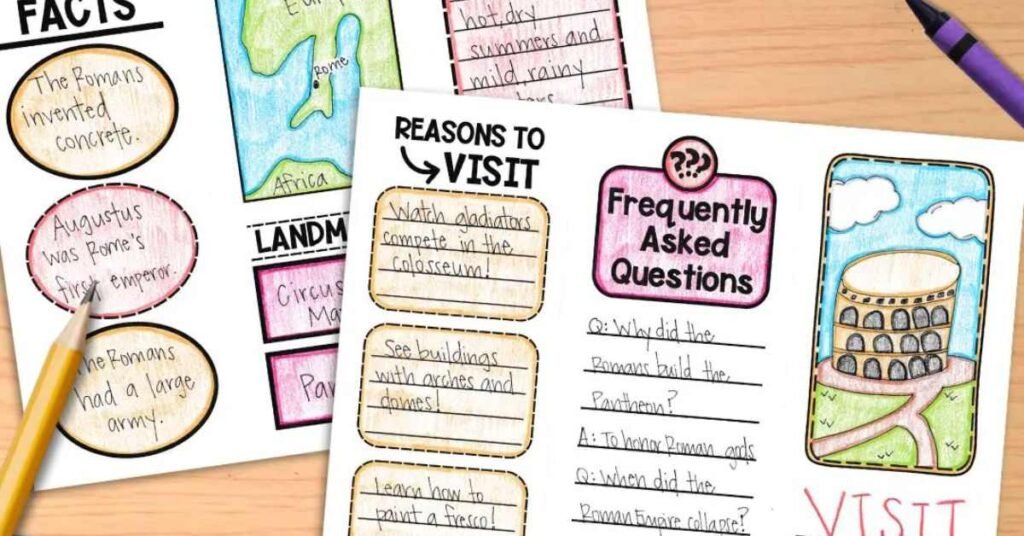
School assignments offer an excellent opportunity to learn about geography, culture, and visual communication. Travel brochure examples for students should be attractive, informative and easy to understand. A student creating a brochure about Egypt could introduce the pyramids, the Nile River, local food, and important cultural sites. Another student might present the natural beauty and attractions of Pakistan. The goal is to teach readers about a place through carefully selected facts and images.
Start by choosing one destination and researching reliable information. Organize the content into sections covering location, attractions, activities, food, and travel advice. Add a simple map if it helps explain the destination. Use readable fonts and make headings larger than body text. Avoid copying whole paragraphs from websites. Instead, explain the facts in your own words and credit any sources or images when required.
A good school brochure does not need expensive software. Paper, colored pencils and a clear plan can work well. Digital tools also help students create polished projects with limited design experience.
Travel Agency Brochure Examples for Tour Packages
Travel agencies use brochures to explain their services and help customers compare holidays. Effective travel agency brochure examples clearly describe what each package offers. A family tour might include hotel accommodation, guided sightseeing, and airport transfers. A honeymoon package could emphasize privacy, romantic activities, and special dining options. Each offer should explain its duration, main benefits, price conditions, and booking requirements.
Strong brochures focus on customer needs rather than exaggerated promises. Explain what the price includes and identify extra costs when relevant. For example, state whether flights, meals, entrance tickets, or travel insurance are included. Present travel packages in a consistent format so customers can compare options fairly.
High quality photographs can show the experiences available, but images should represent the offer honestly. Include clear contact details and a useful booking link. A short statement explaining the next step can encourage enquiries. When customers understand the offer quickly, they can make more confident decisions and contact the agency with better questions.
Beach, Mountain and Adventure Travel Brochure Examples
Natural destinations need imagery that captures their atmosphere. Beach travel brochure examples often feature turquoise water, sandy shores, coastal cafés, and peaceful sunsets. Mountain brochures work better with dramatic peaks, green valleys, hiking routes, and cozy lodges. Meanwhile, adventure travel brochure examples can showcase kayaking, camping, cycling, wildlife watching, and guided trekking. Each image should reflect activities visitors can realistically enjoy.
A strong brochure also helps travelers prepare. Mention the best visiting season, expected weather, available facilities, and suitable clothing when these details matter. Adventure destinations should explain difficulty levels and important safety requirements. Beach guides can mention swimming conditions and local environmental rules. Include practical information about transport and accommodation if space allows.
For remote destinations, explain whether visitors need advance bookings or specialist equipment. These details turn attractive travel brochure examples into useful planning resources. Readers should feel inspired without being misled about costs, conditions, or accessibility. A balanced design combines beautiful scenery with the information people need before leaving home.
Modern, Minimalist and Luxury Travel Brochure Designs
Modern brochures often rely on clean layouts, strong photography, and carefully chosen typography. Modern travel brochure designs usually give each section enough space to breathe. Instead of filling every panel, they highlight a few important messages. A minimalist approach uses limited colors, simple headings, and uncluttered pages. This style can work especially well for boutique hotels, peaceful retreats, and premium travel experiences.
Luxury brochures need a slightly different balance. They may use elegant fonts, detailed photographs, and refined color combinations to create a sense of exclusivity. However, attractive styling should never make information difficult to read. A luxury resort brochure still needs accurate room details, facilities, prices, and booking information. Choose a consistent brochure color palette that suits the brand and destination. For example, soft blue and white can suggest a coastal escape, while deep green and cream may suit a nature retreat. A carefully designed page feels memorable because every element has a clear purpose.
Digital Travel Brochure Examples and PDF Designs
Digital brochures let travelers explore destinations on phones, tablets, and computers. Useful digital travel brochure examples combine clear text with images that display well on different screen sizes. They may include clickable links, interactive maps, short videos, and online booking options. These features can help readers move from inspiration to practical planning without searching through several separate pages.
A travel brochure PDF works well when readers need a document they can save, email, or print. Keep the file size manageable so it opens quickly on mobile devices. Use clear headings, suitable image resolution, and working links. Before sharing a digital brochure PDF, test it on different screens and check that text remains readable.
Accessibility matters too. Give meaningful images descriptive alternative text when the format supports it, and maintain strong contrast between text and background. Always verify that contact details and links work correctly. A polished digital brochure should feel convenient, not complicated. Readers should find essential information with minimal scrolling or tapping.
What to Include in an Effective Travel Brochure?
An effective brochure answers the reader’s main questions while presenting the destination attractively. Start with a clear title, a short introduction, and a strong cover image. Add destination highlights that explain what makes the place worth visiting. Depending on the brochure’s purpose, include attractions, accommodation, transport, local food, suggested activities, and the best time to visit. A useful travel itinerary can help readers understand how to spend their time.
Practical details matter just as much as attractive images. Provide accurate prices where appropriate, booking conditions, opening hours and contact information. Add maps and attractions when they help readers plan routes or understand the area. Travel agencies should explain what each package includes and excludes.
Destination guides should link to official visitor information when details can change. A clear call to action might invite readers to explore a website, request a quote, or book a tour. Avoid unnecessary claims. Every section should help readers understand the destination or decide what to do next.
How to Write Compelling Content for a Travel Brochure
Good brochure writing helps readers imagine a trip without burying them in information. Begin with a lively opening that introduces the destination’s strongest appeal. Instead of saying a place is simply beautiful, describe its peaceful beaches, lively markets, or mountain views. High-quality travel photos support these descriptions, but the words should still explain what visitors can experience. Keep sentences clear and avoid promises that cannot be supported.
Organize the information around questions travelers may ask. What can they see? How long should they stay? What activities are available? How can they get there? Answer these questions with useful details and a friendly tone. Use short paragraphs, specific descriptions, and clear headings. For example, a brochure about Istanbul might introduce historic mosques, waterfront neighborhoods, and traditional food. Check every name, date, price, and travel claim before publication. If information changes frequently, link to an official source. Strong writing combines enthusiasm with accuracy, helping readers picture the experience while understanding the practical details.
How to Design an Attractive Travel Brochure Step by Step
A clear process makes brochure design easier, even for beginners. First, identify the audience and purpose. A school project needs different details from a luxury tour advertisement. Next, collect reliable information and choose photographs that match the destination. Plan the brochure cover design around one strong image, a clear title, and a short message. Avoid adding so many elements that the main idea disappears.
After planning the content, choose a suitable format and arrange each section in reading order. Use consistent headings, spacing, and font styles throughout. Check that the brochure layout guides readers naturally from inspiration to practical details. Add maps or booking links only when they improve the experience. Before printing or publishing, proofread the text and test every link. Ask someone unfamiliar with the destination to review the brochure. If they cannot quickly identify the main attractions or next steps, simplify the design. Small improvements in structure and clarity often make a brochure much more effective.
Best Free Tools and Templates for Creating Travel Brochures
You do not need advanced design skills to create an attractive brochure. Tools such as Canva, Adobe Express and Microsoft PowerPoint offer practical ways to arrange text and images. Their available features and free options may change, so check each service before starting. Search for travel brochure templates or free brochure templates to find layouts suited to your project.
Templates can save time by providing ready-made panels, typography, and image areas. However, customize the design instead of leaving every sample element unchanged. Replace placeholder photographs, update headings and verify all destination information. Match the colors to your subject and keep the text readable. If you plan to print the brochure, check page size, margins, folding lines and image quality before exporting.
For online sharing, test links and mobile readability. The best tool is one that fits your budget, experience, and publishing needs. A simple template with accurate content can outperform a complicated design that confuses readers.
Common Travel Brochure Design Mistakes to Avoid
Even beautiful brochures can lose readers when the information feels crowded or confusing. One of the most common brochure design mistakes is using too many photographs, colors, and font styles on the same page. Another problem is including long paragraphs that hide important details. Keep the design focused, leave enough empty space and use headings to guide the reader. Every image should support the destination or experience being promoted.
Accuracy matters just as much as appearance. Incorrect prices, outdated opening hours, broken links, and misleading photographs can damage trust. Check spelling and confirm important facts before publishing. Avoid tiny text that becomes difficult to read on mobile screens or printed pages.
Make sure contact details are visible and booking instructions are easy to understand. Finally, test the brochure with a real reader. Ask whether the main message is clear and whether the next step feels obvious. A careful final review can prevent small mistakes from weakening an otherwise excellent brochure.
Conclusion
Choosing the right travel brochure examples can help you create a design that looks professional and communicates useful information. Focus on readable fonts, attractive images, organized layouts and clear destination highlights. Whether you need tourism brochure examples for a business or a simple school project, make sure your content matches your audience and purpose.
A successful brochure does more than showcase beautiful places. It inspires readers to explore destinations and take action. Use these ideas to create an engaging design that makes every trip look exciting and memorable.
FAQs
What should a travel brochure include?
A travel brochure should include destination highlights, high-quality photos, activities, travel packages, maps, contact information and a clear call to action. Keep the layout organized so readers can quickly find important details.
How do you make a travel brochure attractive?
Use eye-catching images, readable fonts, balanced colors and short, engaging descriptions. A clean travel brochure design helps readers understand the destination without feeling overwhelmed by information.
What are the best free tools for creating travel brochures?
Canva, Adobe Express, and Microsoft PowerPoint offer useful tools and templates for designing brochures. Choose a tool that suits your experience, design needs and preferred format.
What is a tri-fold travel brochure?
A tri-fold travel brochure is a design that divides one sheet into three panels on each side. It provides space for destination details, photos, travel information and contact details in a compact format.
Can I create a digital travel brochure in PDF format?
Yes, you can design a digital brochure and export it as a PDF for easy sharing. A well-formatted travel brochure PDF can be emailed, downloaded or viewed on phones and computers.
1 thought on “15 Creative Travel Brochure Examples for Inspiration”